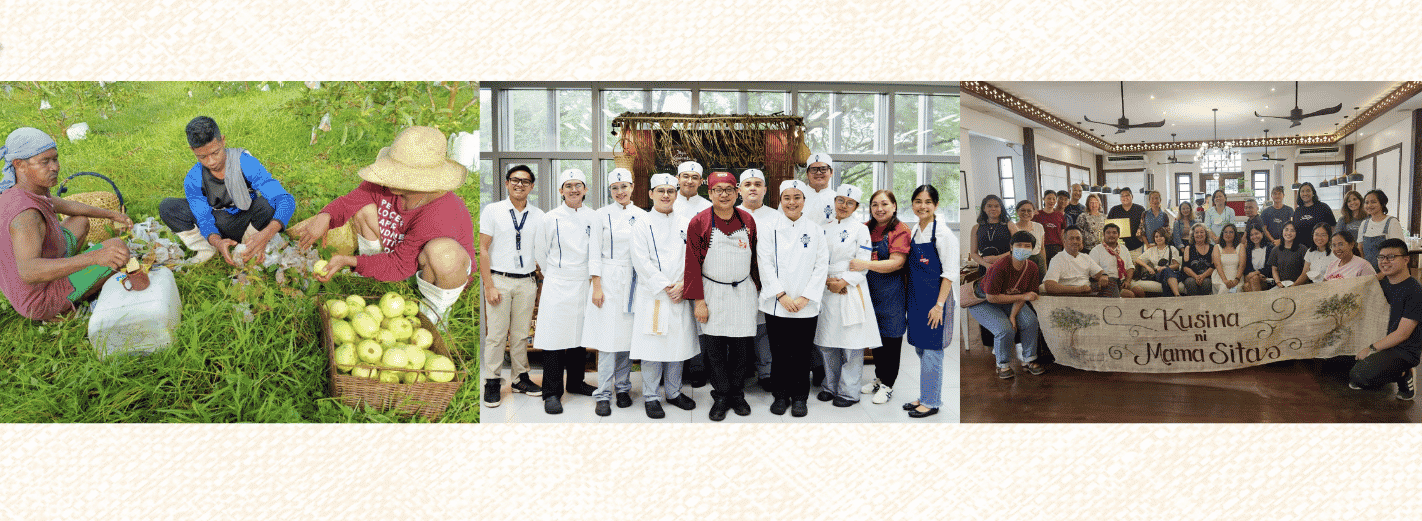
Our Work

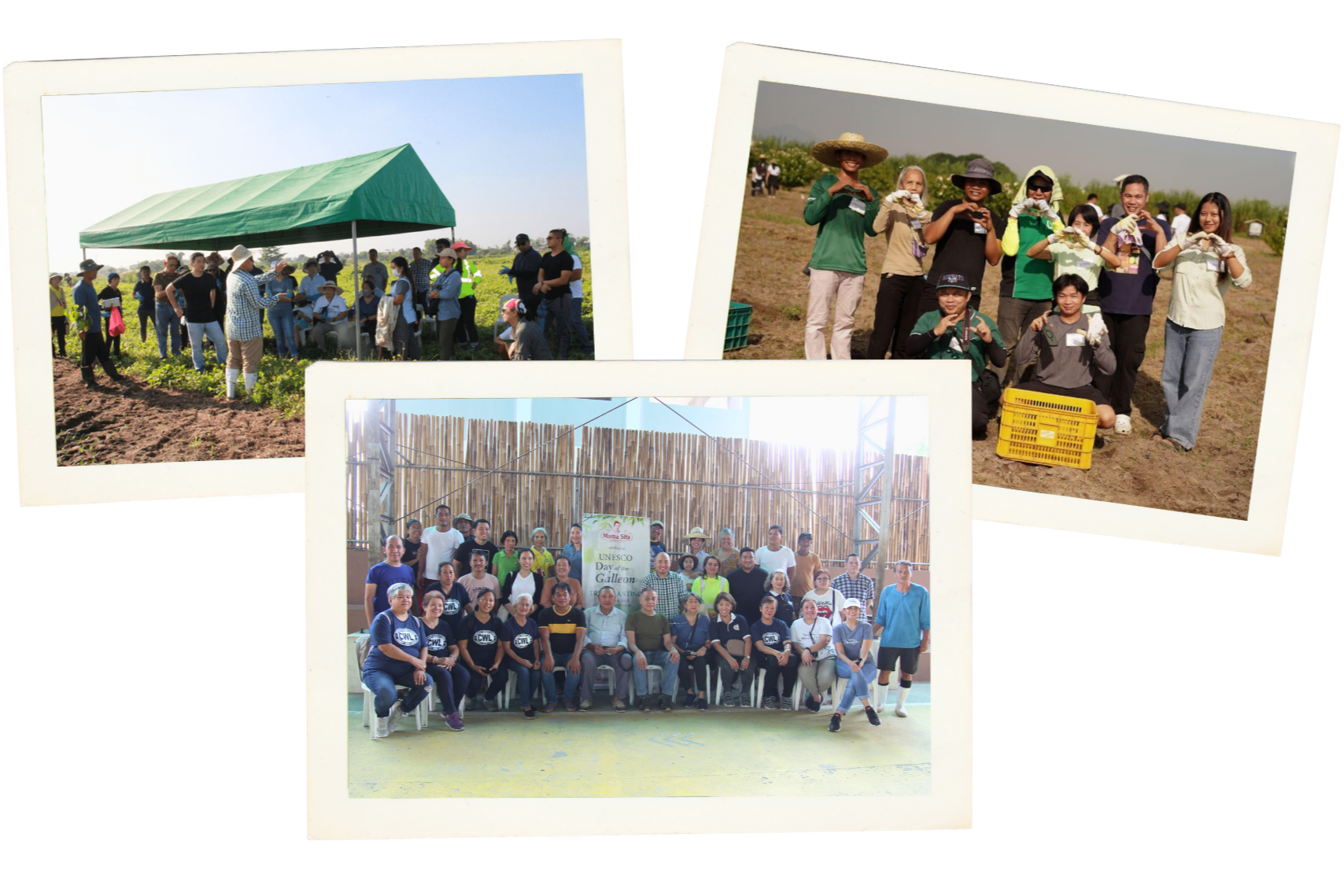
Farm Cultivation — Mexico, Pampanga (1990–Present)
MSF established the Mama Sita Agri-Learning Center in Barangay Suclaban, Mexico, Pampanga — a privately managed 12-hectare farm envisioned as a model nursery for highly marketable crops that supply local food manufacturers' growing demand for raw materials. The center also features an ASEAN Plaza, a dedicated space for fostering regional unity and international cooperation in agriculture.
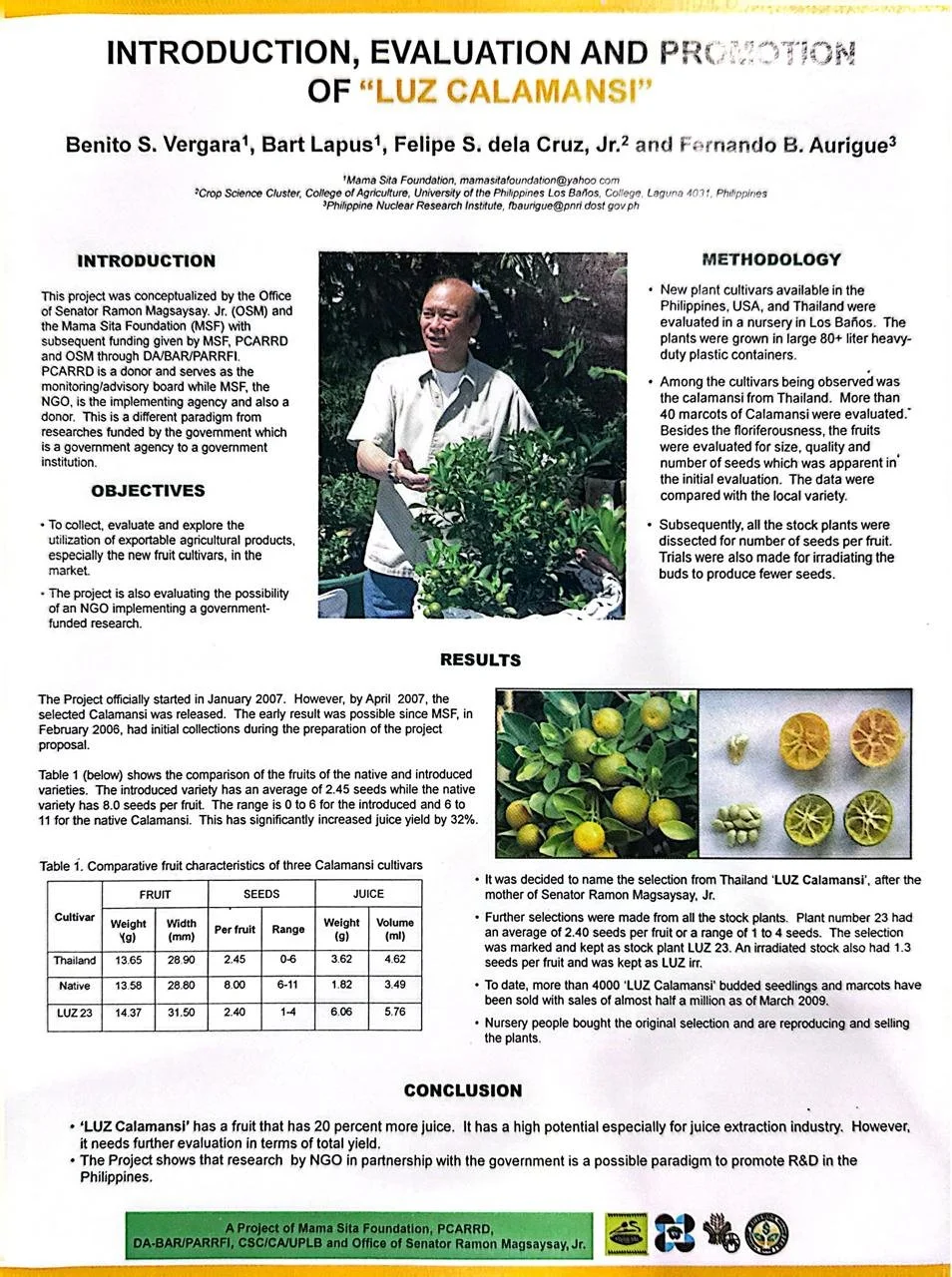
Agricultural Research & Innovation (2007–2012)
MSF established the Mama Sita Agri-Learning Center in Barangay Suclaban, Mexico, Pampanga—a privately managed 12-hectare farm envisioned as a model nursery for highly marketable crops that supply local food manufacturers' growing demand for raw materials. The center also features an ASEAN Plaza, a dedicated space for fostering regional unity and international cooperation in agriculture.
Complementing this initiative, MSF also implemented agricultural development projects in Calauan, Laguna, focusing on the conservation and propagation of quality calamansi (Luz Calamansi) planting materials, farmer training on sustainable production practices, and livelihood enhancement for local farming communities. By strengthening the supply of a key ingredient in Filipino cuisine, the Calauan project advanced the foundation's twin goals of preserving the country's culinary heritage and improving rural livelihoods.
Among the MSF’s notable outcomes was the Mama Sita Banana (MSB)—a dwarf cultivar introduced from Thailand and found to be highly competitive with the traditional saba, with faster harvest cycles (396 vs. 479 days) and strong market potential as both a fresh and processed fruit. Together, these initiatives demonstrated a viable model for government-supported agricultural research and development implemented through an NGO, combining crop innovation, farmer capacity building, and market-oriented value chain development.

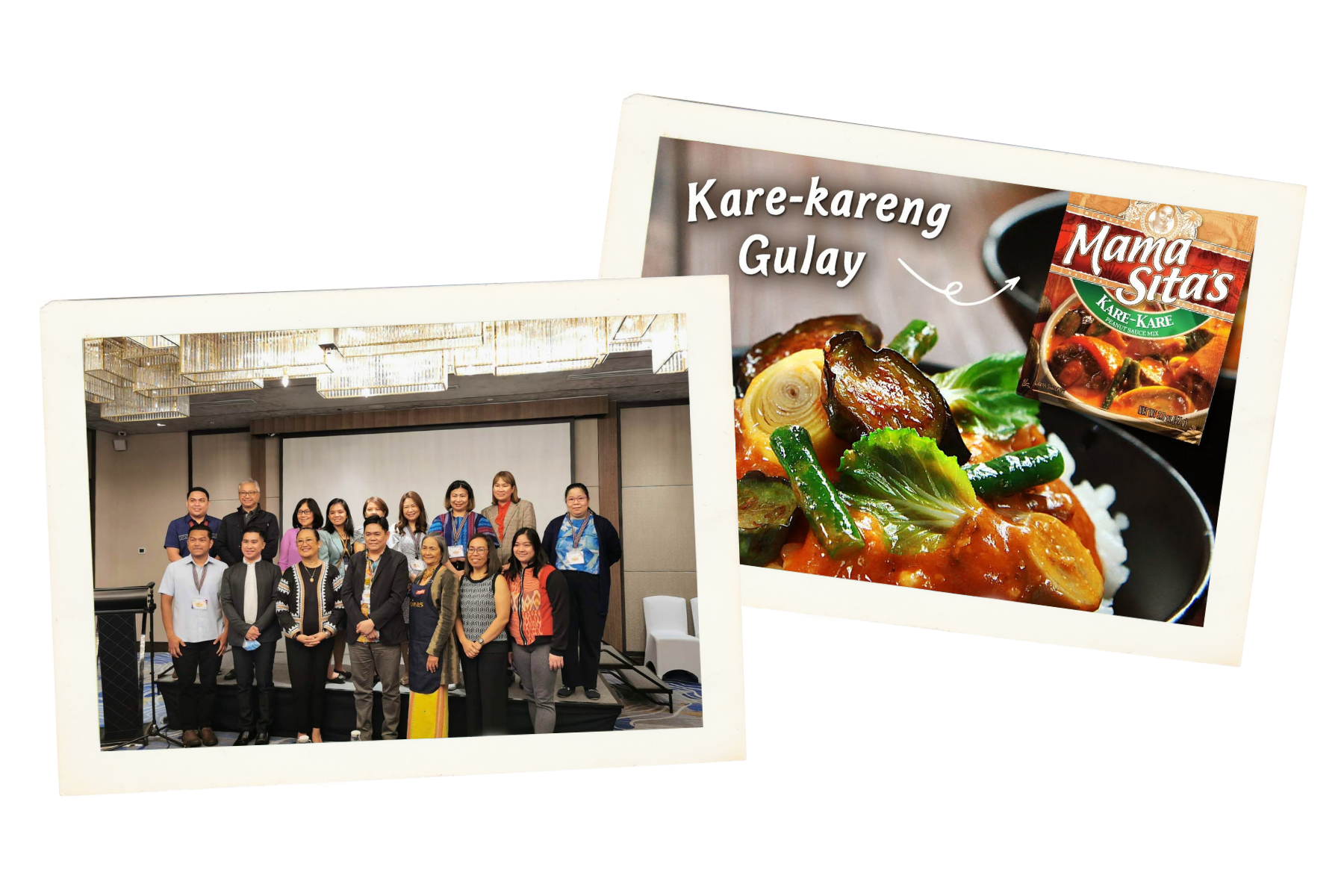
Philippine Cuisine Promotions — Worldwide (1982–Present)
MSF has introduced Filipino food to audiences across more than 200 countries and territories, presenting dishes such as caldereta, champorado, and sinigang to diverse communities, professional chefs, and food media worldwide.
Heirloom Rice Advocacy
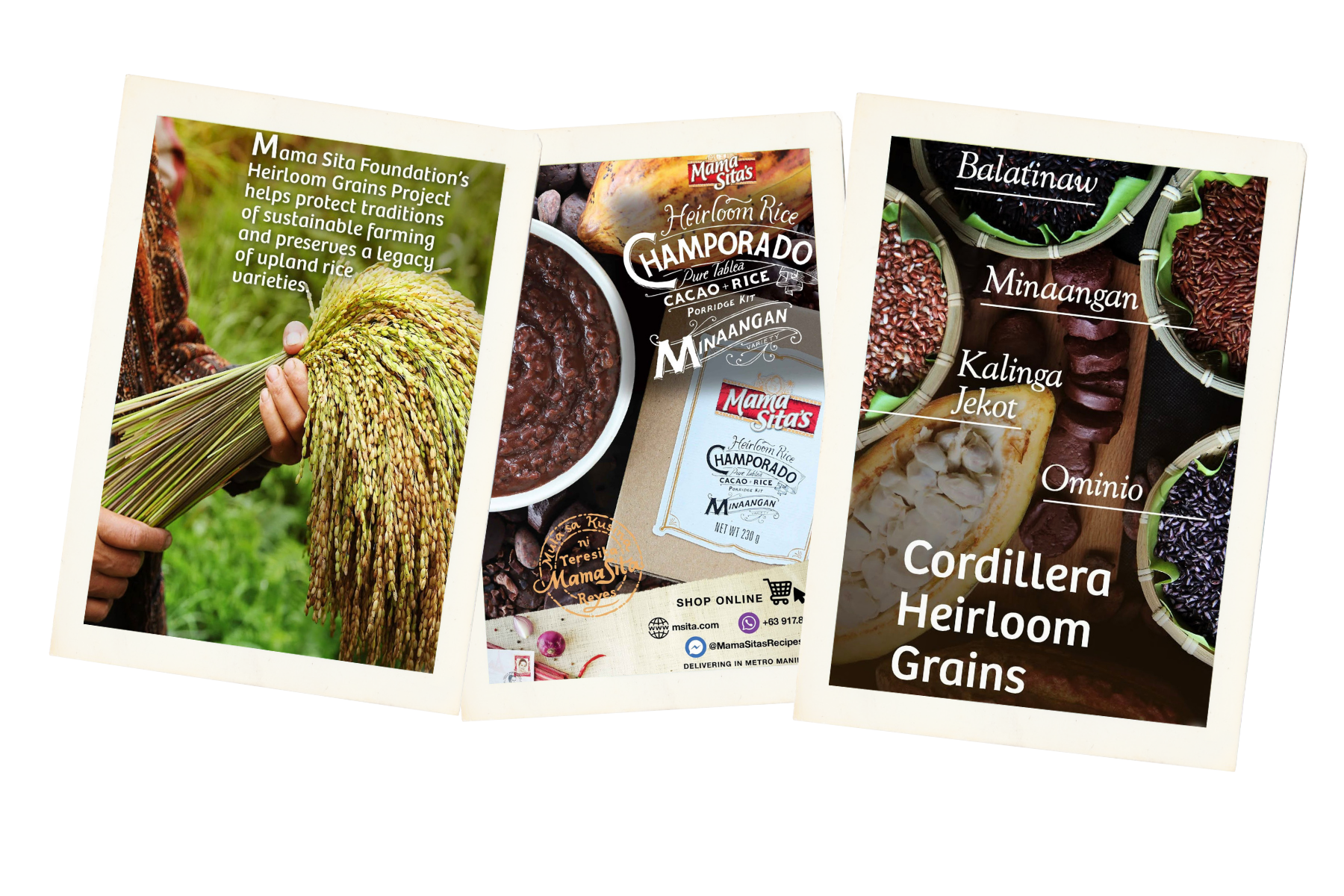
In solidarity with upland farming communities in the Cordilleras, MSF has championed the promotion of Philippine Heirloom Rice — ancient grain varieties grown using indigenous farming techniques passed down through generations. MSF supports five varieties: Minaangan, Kalinga, Jekot, Balatinaw, and Ominio. The Balatinaw variety, grown in Bauko, Mountain Province, is celebrated for its striking deep purple color and exceptional nutritional value. These efforts have been translated into artisanal product offerings including the Mama Sita's Heirloom Rice Champorado Kit, featuring 100% natural cacao tableas from Davao.

Cookbooks & Food Literature
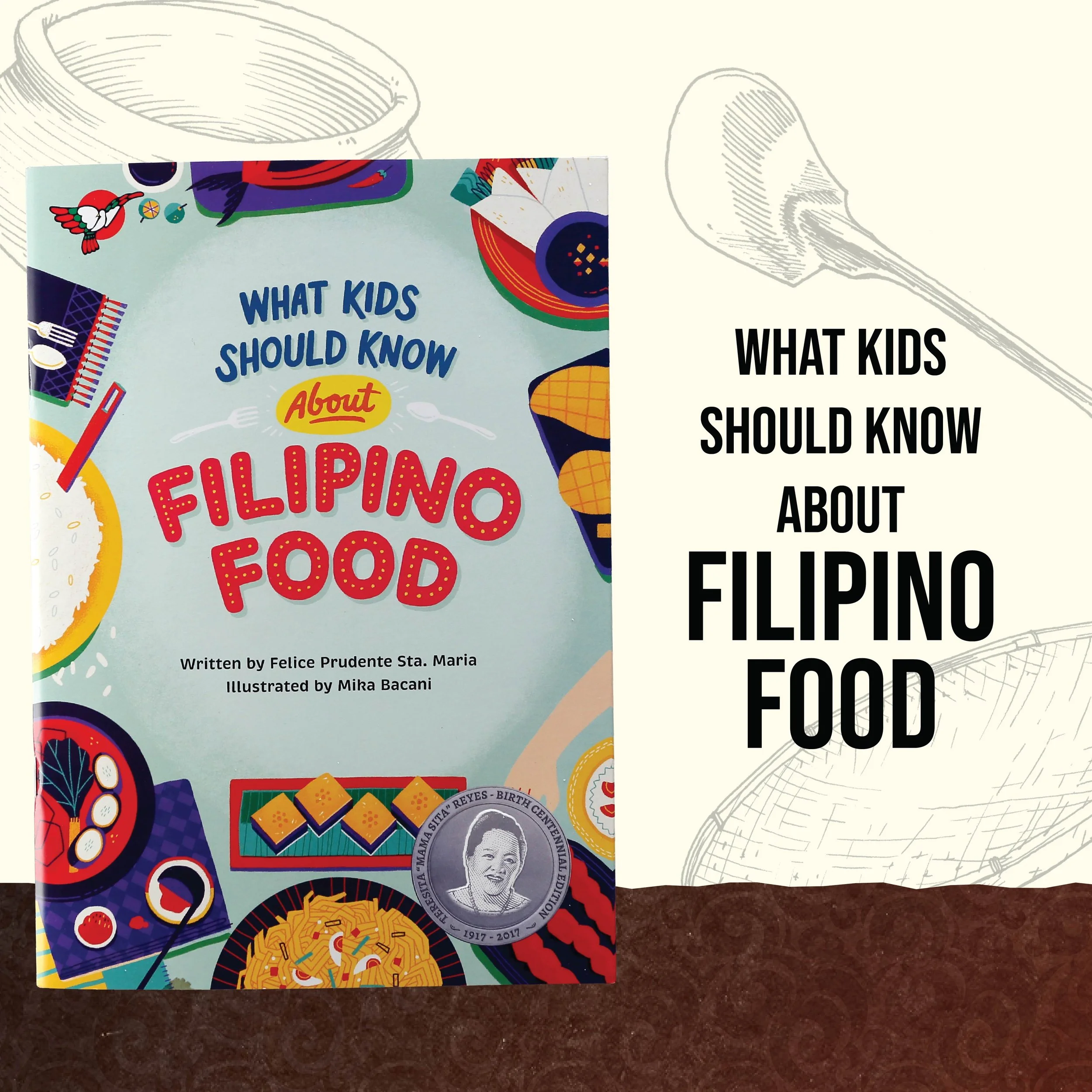
MSF has produced and donated cookbooks featuring traditional and new Filipino recipes to libraries, schools, and cultural institutions locally and abroad — making Philippine cooking traditions accessible to students, educators, and the diaspora. A notable publication, created in collaboration with Adarna House and culinary historian Felice Prudente Sta. Maria, is the Mama Sita's Centennial Edition of What Kids Should Know About Filipino Food, released in 2017 to mark what would have been Mama Sita's 100th birthday.

Mga Kuwentong Pagkain (2012–Present)

Inspired by Mama Sita's own love of writing about food and culture, Mga Kuwentong Pagkain (MKP) is an advocacy that brings together Filipinos and Filipinos at heart from all over the world to share their stories about Filipino food. Launched in 2012, MKP is built on a simple but powerful belief: that the Filipino table has a story worth telling — and that telling it, again and again, is how we keep it alive.
MKP is more than a contest. It is a storytelling initiative with a long chain of purpose. By inviting people to share authentic food stories — heirloom recipes, regional traditions, tributes to farmers and home cooks — MKP brings these narratives into the public sphere, where they build appreciation and love for Filipino food across generations. That appreciation, in turn, deepens the desire to preserve traditions, revive forgotten recipes, encourage farmers to continue planting indigenous crops, and inspire food preparers to carry their craft forward. The stories become seeds.
Now in its 13th year and open to Filipinos and non-Filipinos alike, MKP accepts essays and visual narratives and has drawn entries from high school students, home cooks, overseas Filipinos, and professional writers across multiple continents. MSF has actively built school partnerships locally and abroad, including the International Philippine School in Jeddah, KSA and Timoteo Paez Integrated High School in Tondo, Manila.
Past themes include:
Filipino Food Stories from Around the World
Pamaskong Pagkaing Pilipino (2023) — Nearly 300 entries received
MKP 2024 — Deepened engagement with schools globally
Academic & Cultural Partnerships
MSF has established sustained partnerships with leading academic and cultural institutions, bridging scholarship and heritage activism through food:
Ateneo de Manila University — Cultural Heritage Studies Program (Department of Sociology and Anthropology), led by Dr. Fernando Nakpil Zialcita. Collaborative events include: Peacetime Quiapo (1920–1940): Home Recipes from the Art Deco Era (2022); Discover Cagayan Valley Cooking dinner symposium (2023); Puerto Princesa's Cuisine: A Creative Encounter (2024)
Ateneo's John Gokongwei School of Management & Le Cordon Bleu–Ateneo — Co-presented Tableya, Gawad Tsokolate ng Pilipinas (2025), a competition aimed at securing Geographical Indications recognition for Philippine cacao and tableya
University of Hawaii at Manoa (UHM) — Pinoy Food Stories webinar series (2021), a five-module academic course on the history and evolution of Philippine cuisine
Philippine School Doha (Qatar) — Three-session Evolution of Philippine Cuisine educational program for Junior High School students
National Historical Commission of the Philippines — Partner in Day of the Galleon events and historical commemoration initiatives
Philippine Consulate General, Toronto — Co-organized Mga Kuwentong Pagkain: Filipino Food Online Cook-Along (2021), keynoted by Ambassador Rodolfo Dia Robles